Choosing the Right Treats for Senior Pets: A Guide to Comfort and Vitality
Watching a beloved pet slow down is one of the harder parts of sharing your life with an animal. The dog who once sprinted through the park now takes the stairs one at a time. The cat who patrolled the backyard at dusk now prefers a sunny spot on the rug. These changes come gradually, and they remind us that our companions are getting older. The good news is that we can make their later years more comfortable, and the right treats for senior pets play a bigger role than many owners realize.
I have spent years working with pet owners who want to support their aging animals, and I have seen how small adjustments in diet and supplementation can improve mobility, digestion, and mood. Senior pet nutrition is not just about cutting calories or switching to a different kibble. It is about targeted support for joints, brain function, and immune health. That is where nutraceutical pet products come in. These are treats formulated with specific active ingredients, not just flavor. They bridge the gap between a standard diet and the extra help an older animal needs.
Why Senior Pets Need Different Support
Aging affects every system in the body. Joint cartilage wears down, digestion becomes less efficient, and the immune system does not respond as quickly. Many senior dogs develop arthritis relief for dogs as a real need, and cats often show signs of kidney or thyroid issues. Standard treats might be fine for a young animal, but for an older one, every bite should pull its weight. That is why I recommend looking at treats that offer more than empty calories. The best treats for senior pets deliver functional ingredients like glucosamine for dogs, omega-3 fatty acids, and turmeric for pets.
I remember a golden retriever named Max who came to me at age twelve. He had hip dysplasia in dogs that made walking painful, and his owner had tried everything from prescription painkillers to acupuncture. What helped most was a consistent routine of joint health chews combined with gentle exercise. Within a month, Max was trotting again. Not running, but trotting. That is the kind of win we aim for. It is not about turning back the clock. It is about making each day a little easier.
Key Ingredients in Senior Pet Treats
When you look at the ingredient panel on a bag of senior dog supplements, a few names should stand out. Glucosamine for dogs is probably the most common joint support ingredient, and for good reason. It helps rebuild cartilage and reduce inflammation. Many owners combine it with chondroitin and MSM for a more complete effect. I have seen dogs with severe arthritis relief for dogs improve noticeably after eight to twelve weeks on a glucosamine regimen.
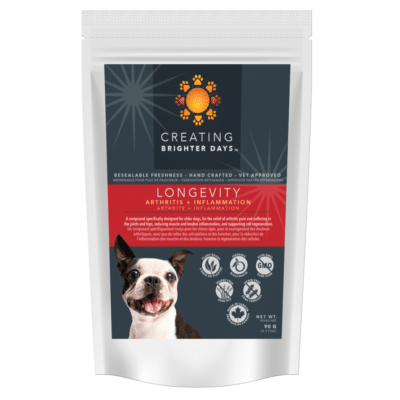
Another powerful compound is turmeric for pets. Turmeric contains curcumin, a natural anti-inflammatory that can help with joint pain and even cognitive decline. The catch is that turmeric is not well absorbed on its own, so look for products that include black pepper extract or a fat source to boost bioavailability. Coconut oil for pets is sometimes added for this reason. It also provides medium-chain triglycerides that support brain health.
Omega-3 fatty acids are essential for senior pets. They reduce inflammation throughout the body and support kidney function, heart health, and coat condition. Fish oil is the most common source, but algae-based options work well for cats who are picky about fish flavors. I usually recommend a treat that provides at least 200 milligrams of combined EPA and DHA per serving for a medium-sized dog.
Antioxidant pet treats are another category worth exploring. Aging increases oxidative stress, which damages cells and accelerates decline. Ingredients like vitamin E, selenium, and astaxanthin help neutralize free radicals. Some treats also include probiotic pet treats to support digestion. Older animals often have slower gut motility and less diverse gut flora. A daily probiotic can improve stool quality and nutrient absorption.
CBD Pet Treats and Calming Support
Cannabis-derived products have become a major part of senior pet wellness, especially CBD pet treats. Unlike THC, CBD does not produce a psychoactive effect. Instead, it interacts with the endocannabinoid system to reduce anxiety, pain, and inflammation. Many owners report that their senior dogs sleep better and move more freely after starting CBD. I have seen it work for anxiety during thunderstorms and for general age-related restlessness.
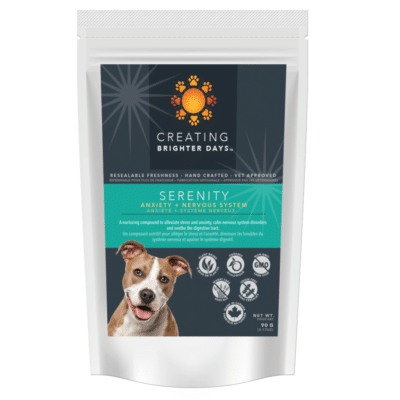
Calming chews for pets often combine CBD with other herbs like chamomile or L-tryptophan. These are useful for pets who experience separation anxiety or noise phobia. For a senior cat who has become nervous in her old age, a low-dose calming chew can make a real difference. I always advise starting with a low dose and watching for changes over a week. Every animal metabolizes cannabinoids differently, and older pets may be more sensitive.
Kush Station offers a range of CBD pet treats that are designed for this purpose. Their formulations use full-spectrum hemp extract and are tested for potency. If you are new to CBD for pets, it is worth reading the lab reports and starting with a product that lists the exact milligrams per treat. Consistency matters more than dose.
Mobility Support and Dental Health
Joint health chews are not the only way to support movement. Mobility support treats often contain a blend of glucosamine, chondroitin, green-lipped mussel powder, and vitamin C. These work together to lubricate joints and strengthen connective tissue. I have used them with dogs recovering from hip dysplasia in dogs and with cats who had stiff hind legs. The results are not dramatic, but they are real. A dog who stops whimpering when she stands up is a success.
Dental health treats are another essential category for senior pets. Older animals are prone to tartar buildup, gum disease, and tooth loss. Infected teeth can cause pain that makes eating difficult and can spread bacteria to the heart and kidneys. Dental treats often contain enzymes that break down plaque or mechanical abrasives that scrub the teeth. I like treats that combine dental cleaning with other benefits, such as a dental stick that also delivers omega-3 fatty acids or probiotics.
I have a personal rule: if a treat cannot do at least two things, it is probably not worth the money for a senior pet. A single treat that supports joints and dental health is better than two separate products. This simplifies the routine and reduces the chance of overfeeding.
Special Considerations for Senior Cats
Cats pose a unique challenge. Many senior cats have kidney or thyroid issues that require a low-phosphorus diet. Senior cat food is formulated with these restrictions in mind, but treats can still be tricky. Look for treats that are low in phosphorus and protein. Freeze-dried chicken or fish can be too high in protein for a cat with kidney disease. Instead, consider soft chews that contain joint support ingredients and are made with a single novel protein.
I have worked with cats who refused every joint chew on the market until I tried a salmon-flavored gel treat. Cats are particular, and they will not eat something just because it is good for them. That is where the art of senior pet wellness comes in. You have to find a treat that the animal actually wants to eat. Sometimes that means trying three or four brands before you find the right texture and flavor.
For cats, I often recommend a combination of a joint health chew and a separate probiotic. The probiotic can be sprinkled onto wet food, and the chew can be given as a reward. This keeps the routine simple and ensures the cat gets both types of support without having to eat a single large dose.
Putting It All Together
Building a senior pet care routine does not have to be complicated. Start with the basics. Choose one joint health chew that contains glucosamine for dogs or cats, plus an omega-3 source. Add a calming chew if your pet shows signs of anxiety or if you notice stiffness that affects mood. Consider a dental treat for daily oral care. And always, always check the calorie content. Senior pets are less active and gain weight easily. Obesity worsens every health problem.
I have seen owners get overwhelmed by the number of options. Do not try to fix everything at once. Pick one area where your pet struggles most - maybe it is getting up from the floor, or maybe it is bad breath - and find a treat that addresses that. Once that becomes part of the routine, add another. Over a few months, you can build a comprehensive plan.

Natural pet care is about working with the animal's biology, not against it. The best treats for senior pets are those that respect the animal's age and limitations. They are not magic. They are tools. Used well, they can add months of comfort and quality to a pet's life. That is the goal. Not to make them young again, but to make their old age as good as it can be.
If you are unsure where to start, look for nutraceutical pet products that list their active ingredients clearly and provide dosing guidelines based on weight. Kush Station carries a curated selection of these products, including treats that combine joint support with calming herbs. Talk to your vet before starting any new supplement, especially if your pet has a chronic condition. And remember that treats are only one part of the picture. Good senior pet nutrition, gentle exercise, and regular veterinary care all work together.
The years we have with our pets are never long enough. That is why every day matters. Choosing the right treats for senior pets is a small act of love that pays back in wagging tails, purring laps, and a few more good mornings together.